Heavy rain and your septic system: before, during, after
A soaked drain field can't take water. How to ease the load during a storm and what to check after.
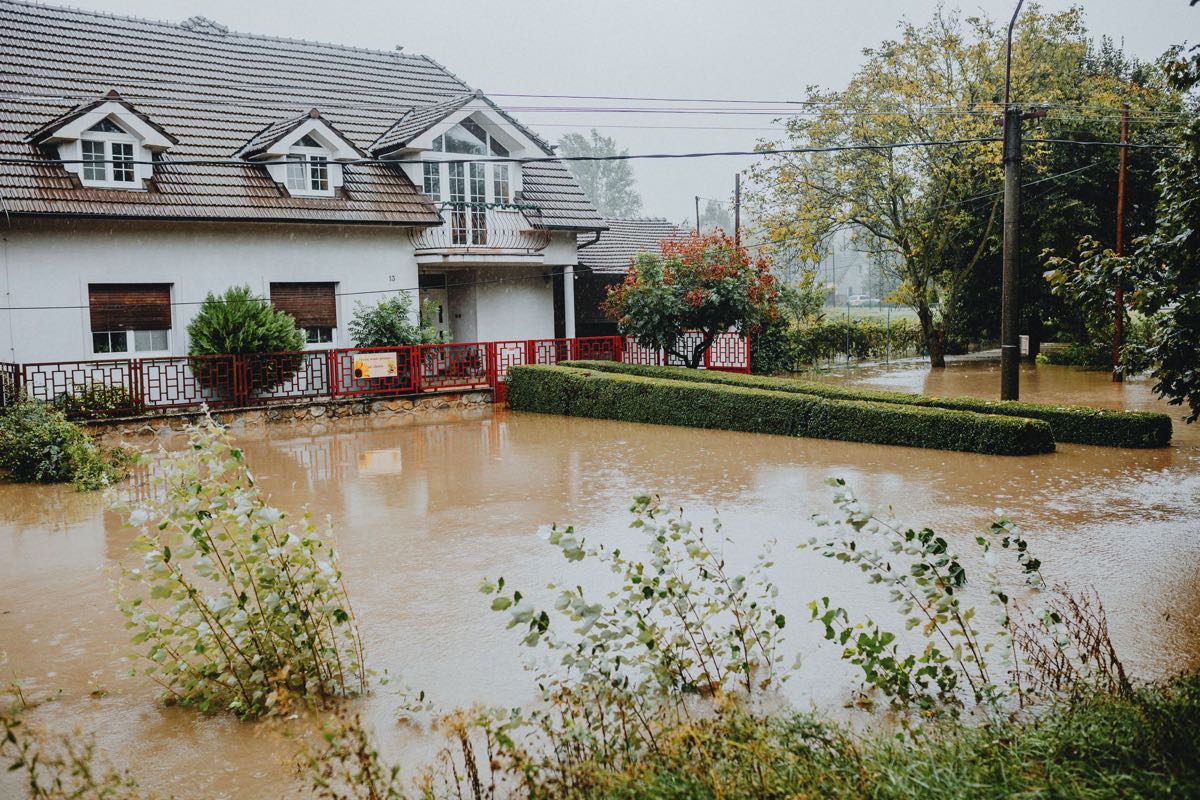
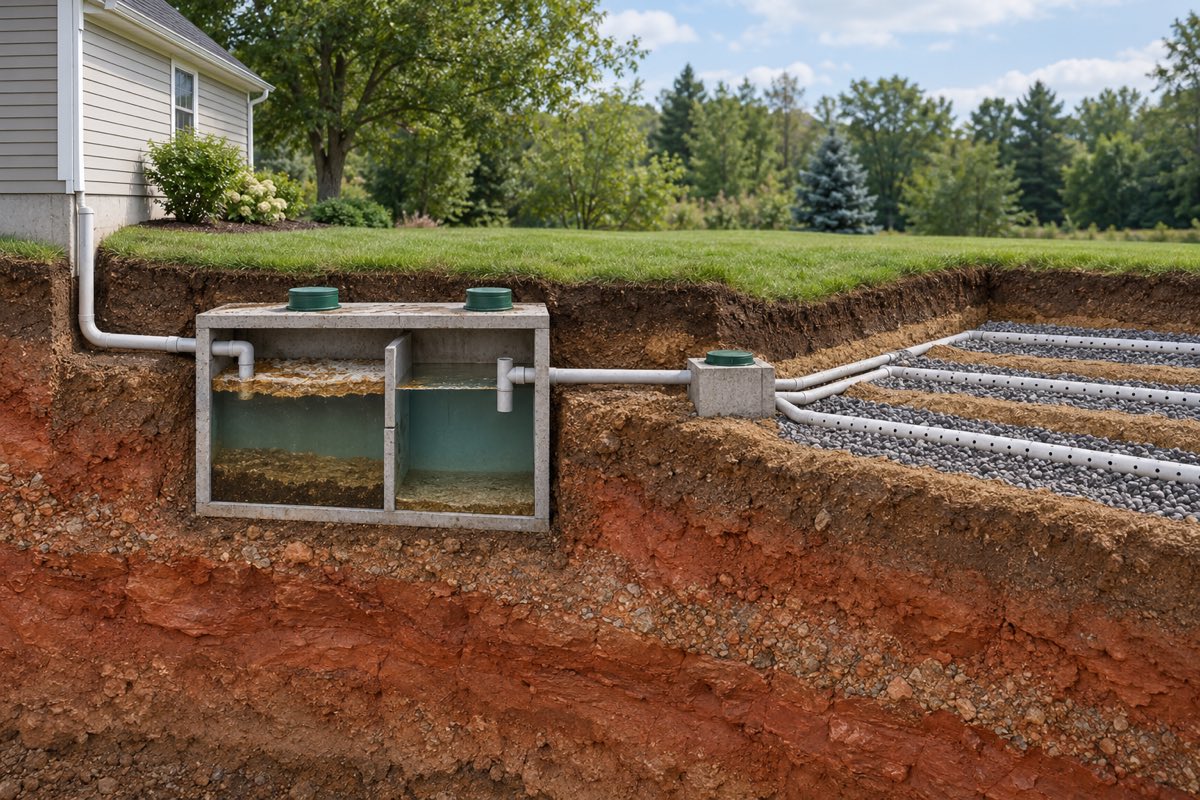
A septic system does its best work in soil that has room for water. After days of rain, the soil under your drain field is already full, and the water from your showers and washing machine has nowhere to go.
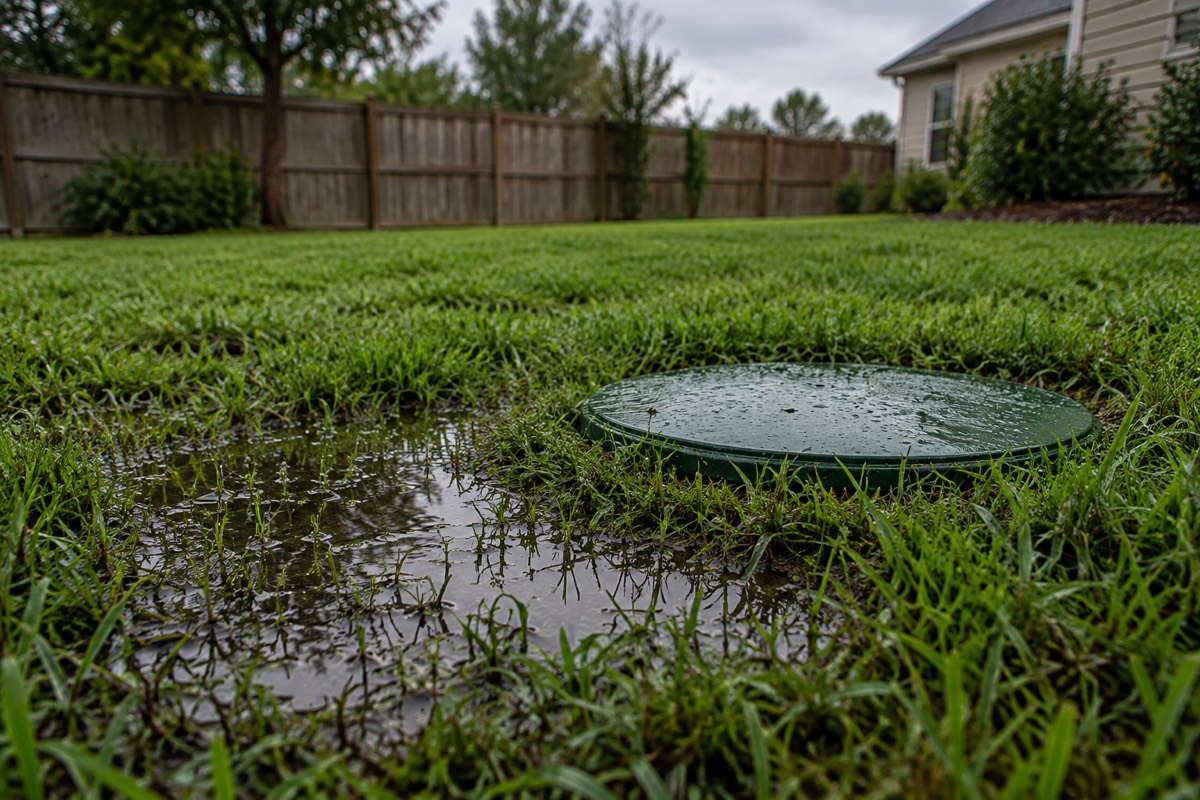
The first sign is often a slow drain, a gurgle or a soggy patch in the yard during a wet stretch. Clemson Extension says an oversaturated drain field can slow down or even stop the treatment process, which can cause backups into the house.
Why rain matters so much
The drain field relies on soil that's partly full of air, not water. The EPA says that when the soil under a field is saturated, wastewater won't be treated and becomes a source of pollution. SC DES explains why South Carolina stopped using percolation tests: a site can pass in a dry season and fail in a rainy stretch, when the water table is closer to the surface. Some systems in the state passed the old tests and then failed to work in rainy seasons.
Roof drains and downspouts make it worse. If they dump onto the field, the soil gets all the rain from your roof as well as the rain from the sky. SC DES says to divert downspouts and surface water, especially irrigation sprinklers, away from the field.
Before a storm
You can't do much to the soil, but you can do something about the load.
- Finish the laundry and the dishes earlier in the week. SC DES says up to 53 gallons of water go through the system with each load of laundry, so spreading loads out helps.
- Clemson says to skip water-using machines during and after rainstorms.
- Check where your downspouts and sprinklers drain, and turn the irrigation off.
- Fix leaking toilets and faucets. SC DES says leaks can send hundreds of extra gallons through the system over time.
During heavy rain or flooding
SC DES says that if the soil around your home and septic system is saturated or flooded, don't use toilets, the dishwasher or the washing machine, and don't let liquid go down the drains. The field may not be able to take any more, and sewage may come up to the surface. Clemson says to limit nonessential water use. SC DES says to plug floor drains in the basement and cut water use sharply until the system recovers.
A few other points from SC DES:
- Don't dump flood water or cleanup water into your sink or toilet.
- Don't dig in the drain field area or work on it with heavy machinery while the soil is wet or flooded.
- Don't stand or walk on the tank's manhole cover.
- Avoid flooded electrical or mechanical parts of the system, and have electrical connections checked before you restore power.
Do not pump a tank in saturated ground
After a storm, a backup feels like it needs an emptying. But the EPA, SC DES and Clemson all say not to pump while the soil is saturated.
The reason is buoyancy. SC DES says that pumping a tank in saturated soil can cause it to pop out of the ground, because the weight of the sewage is gone. The EPA says it can damage the inlet and outlet pipes. SC DES adds that mud and silt may enter the tank and end up in the drain field.
So if the ground is soaked, wait. A contractor can tell you when the soil has drained enough.
After the storm
Once the ground is drying out, SC DES recommends these checks:
- Look over the tank's cover. Make sure the lid is secure and that inspection ports haven't been blocked or damaged.
- Watch for settling of the tank, or a tank that doesn't seem to accept water. SC DES lists both as problems you may see after a flood.
- If water backed up, have the tank inspected and serviced as soon as possible. SC DES says flooding can lift the scum layer so that it floats and partly plugs the outlet tee, which can cause sewage to back up in the house.
- Check the vegetation over the tank and field in the weeks that follow. Repair erosion damage and sod or reseed to restore turf cover.
- If you see sewage on the ground, call a septic professional.
SC DES also says that most septic tanks aren't damaged by flooding, since they're underground and watertight. The risk is that tanks and pump chambers fill with silt and debris, and that silt can clog the drain field. If it does, the department says a new system may have to be installed.
If you have a well
Flooding can affect your drinking water as well. The EPA says not to drink well water until it has been tested after a flood. SC DES has its own step-by-step guidance for flooded private wells. Well and septic homes in Spartanburg County has the details.
Signs the field is struggling
Soft ground, standing water, odor, or bright green, spongy grass over the field after a wet period all suggest the field isn't coping. Compare notes with 5 signs your septic tank needs pumping and, if the problem is active, what to do when your septic system backs up.