Red clay and septic drain fields in the Upstate
Spartanburg County sits on red clay. Here is what that does to drain field size, permits and day-to-day care.

Much of Spartanburg County sits on red clay. What fewer people know is that the same clay decides how big a septic drain field has to be, and sometimes whether a lot can have a conventional one at all.
What the county's soil survey says
The USDA published a soil survey of Spartanburg County in 1968. It describes the Cecil series as having a subsoil that's red, firm clay, 31 to 60 inches thick. It says Pacolet soils have a moderately thick, red subsoil ranging from clay loam to clay.
On septic systems, the survey is cautious. For the area where Cecil and Madison soils predominate, in the northeastern part of the county, it says limitations for use as septic disposal fields are moderate to severe. It uses the same wording for the central area, where Cecil and Pacolet soils predominate. It rates the Davidson association as severe.
The USDA's official description of the Cecil series says it formed in the Piedmont uplands, from rock that weathered in place, and that it has a clay subsoil.
What the clay does to a drain field
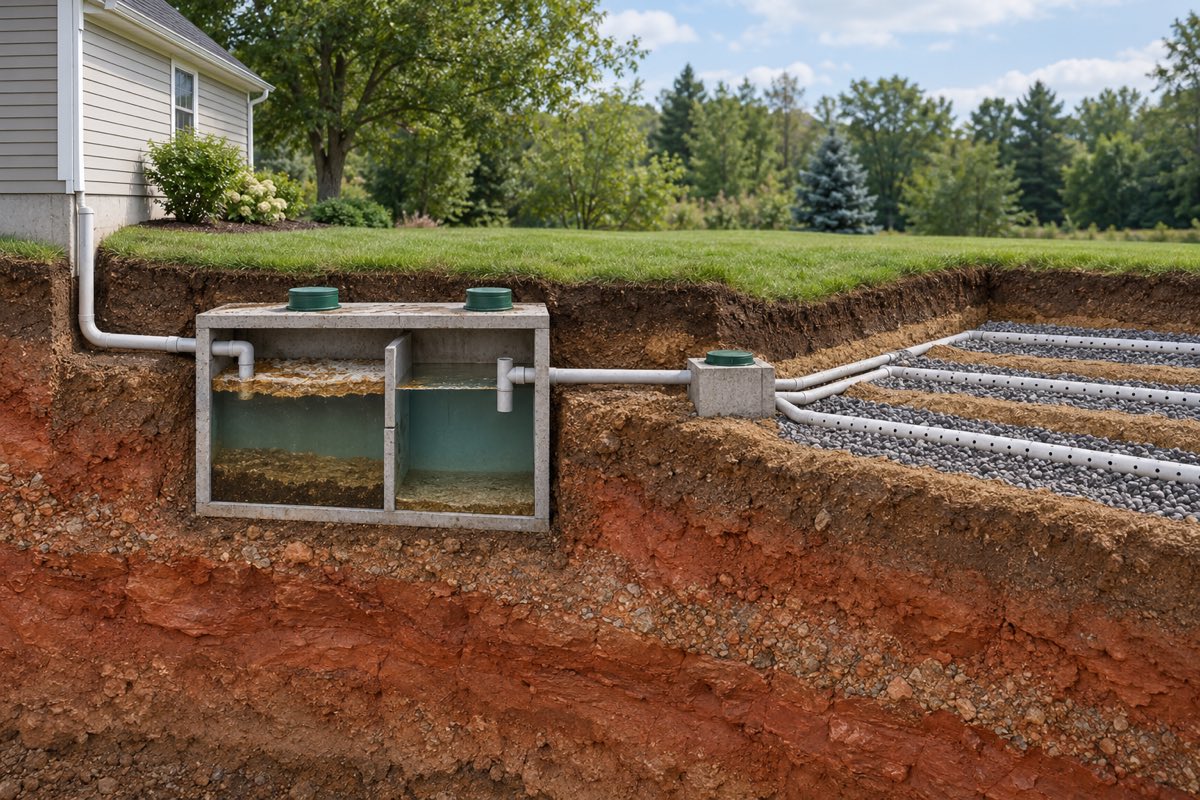
The drain field depends on soil that can accept water and treat it as it passes through. SC DES inspectors classify soil on two things, and both matter here.
Color shows how high the water table gets in the wettest time of year. Texture shows how fast water moves through the layers and how well the soil filters wastewater. SC DES says soil with high clay content needs a much larger drain field than sandy soil does.
The department also says it sometimes has to turn down permits because the soil isn't suitable, and that a lot with unsuitable soil may restrict the number of bedrooms a house can have. For that reason SC DES tells builders that finding suitable soil for a septic system takes priority over where the house goes.
How SC DES evaluates a lot
If you've heard of a "perc test," you might expect one. SC DES says it hasn't used percolation tests since the late 1970s because they aren't very accurate. A site can pass during a dry season and fail during a rainy stretch, when the water table is closer to the surface.
Instead, an SC DES inspector takes at least two soil borings where the system is likely to go, classifies the soil, and checks the landscape, the bedroom count and the required setbacks from wells, property lines, surface water and buildings. The permit process also requires space for a repair area equal to half the size of the drain field, in case the system fails or reaches the end of its life.
If a lot can't take a conventional system
Not every property can. SC DES says that if a lot doesn't meet the standards for a conventional or alternative system, the owner is given options. One is to work with a professional engineer and a soil scientist on a specialized, engineered system. SC DES says these can cost thousands of dollars more than a conventional system and may need greater separation distances.
SC DES also says plainly that not all property is suitable for a septic system. If you're considering buying land, SC DES recommends checking before you commit, and lists signs that raise questions: rock near the surface, steep slopes or gullies, land that floods or stays wet, wetlands and fill dirt.
What it means for owners
The clay doesn't mean your septic system is going to fail. It means the margin is smaller, so the habits matter more.
- Keep vehicles off the field. SC DES says compaction cuts the oxygen the bacteria in the drain field need. See drain field mistakes, ranked.
- Keep roof drains, downspouts and sprinklers pointed elsewhere. Slow soil has less room for extra water.
- Pump and inspect on schedule so solids don't reach the field. How often to pump a septic tank has the numbers.
- Spread laundry across the week.
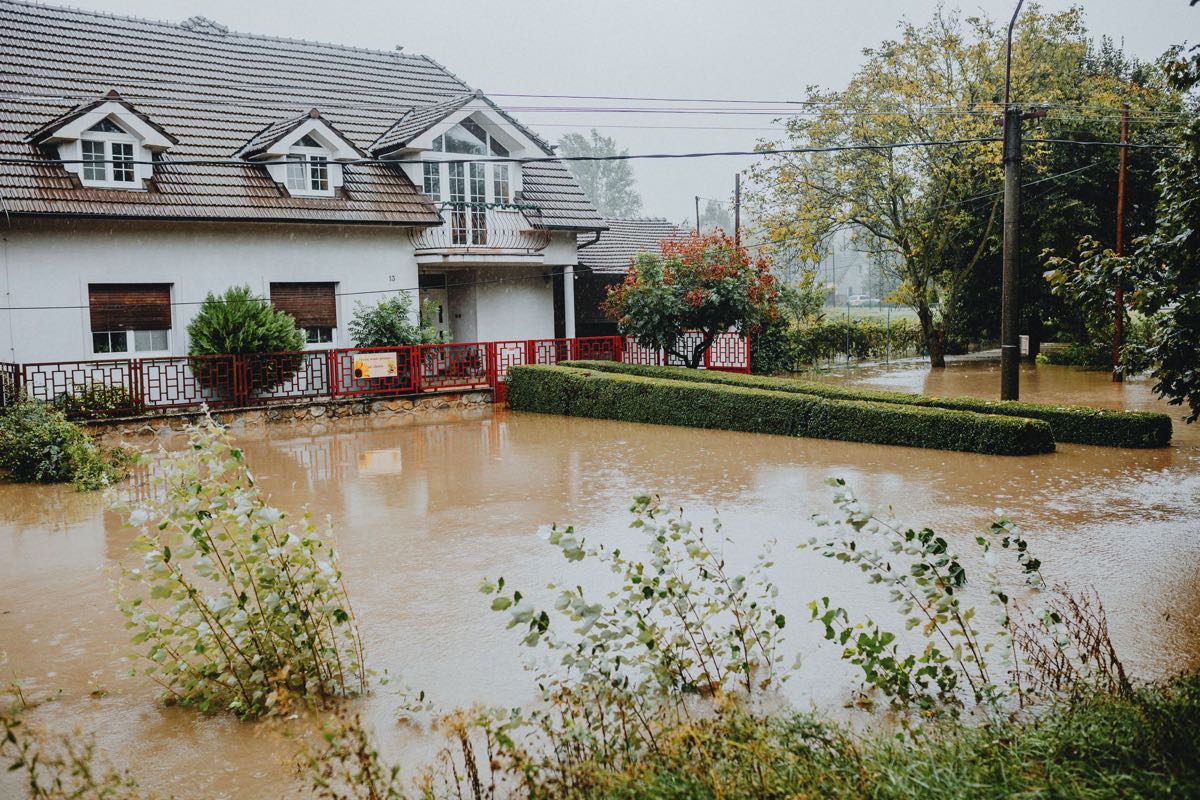
- Watch the field after long wet spells for soft ground, a smell, or extra-green, spongy grass. Heavy rain and your septic system goes through that.
What it means for buyers
Ask for the permit and for pumping records. Ask how many bedrooms the permit covers. Have the system inspected before closing, and ask the inspector what they see in the drain field. Buying a home with a septic system in Spartanburg County has a longer list.
Who to call about permits
Septic permits for Spartanburg County go through SC DES. Its septic tank program page has the forms, the permit process and who to call for your county.